Thank you so much to everyone at the M.O.D and the RAF and to all who have kindly supported my writing.
Bookshelf
Reviews from the strange, heartfelt and impossible worlds of Benjamin Arthur Robinson.
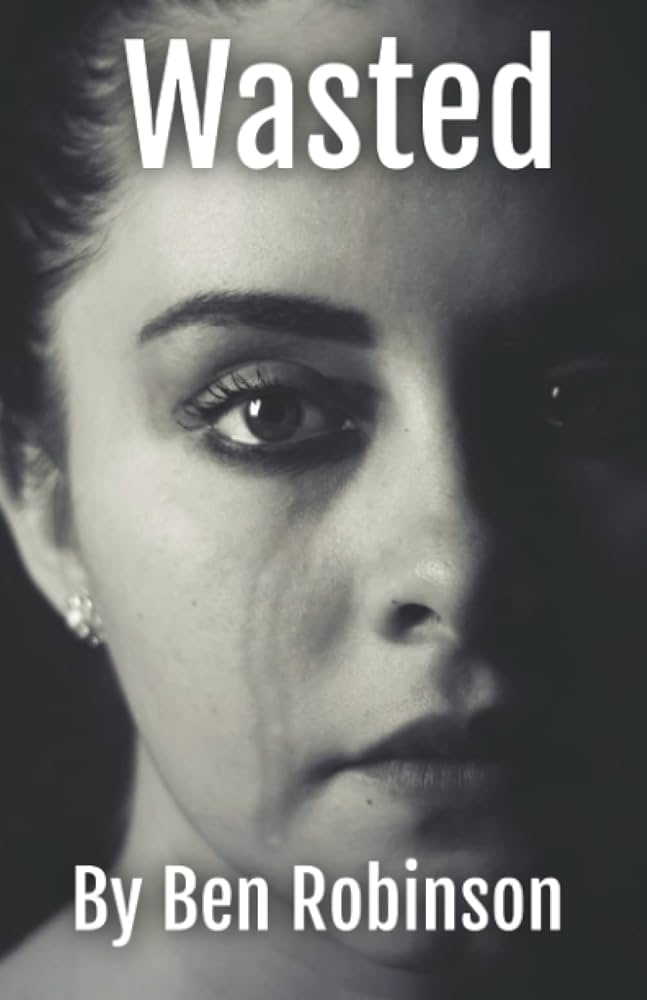
Wasted
★★★★☆4/5
Regret gives this collection its charge: wasted time, damaged chances, bad decisions and the uncomfortable comedy of looking back. The voice is often sharpest when it turns its criticism inward, and the book has more bite than its melancholy surface first suggests. There are moments of repetition and occasional melodrama, but also an admirable unwillingness to excuse human failure. A raw, restless book with flashes of dark wit.
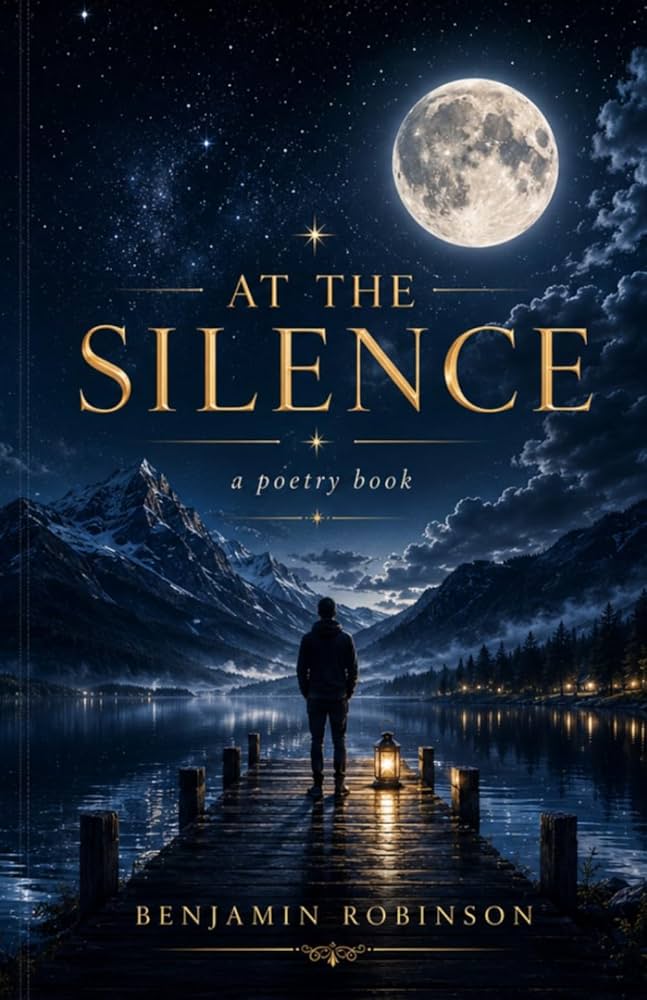
A quieter collection that understands silence not as emptiness but as pressure. The best poems leave room around their images, allowing absence, memory and uncertainty to do some of the work. That restraint is a welcome contrast to the author's more expansive mode, though a handful of pieces remain too abstract to fully land. At its strongest, this is delicate, meditative writing with a convincing stillness.
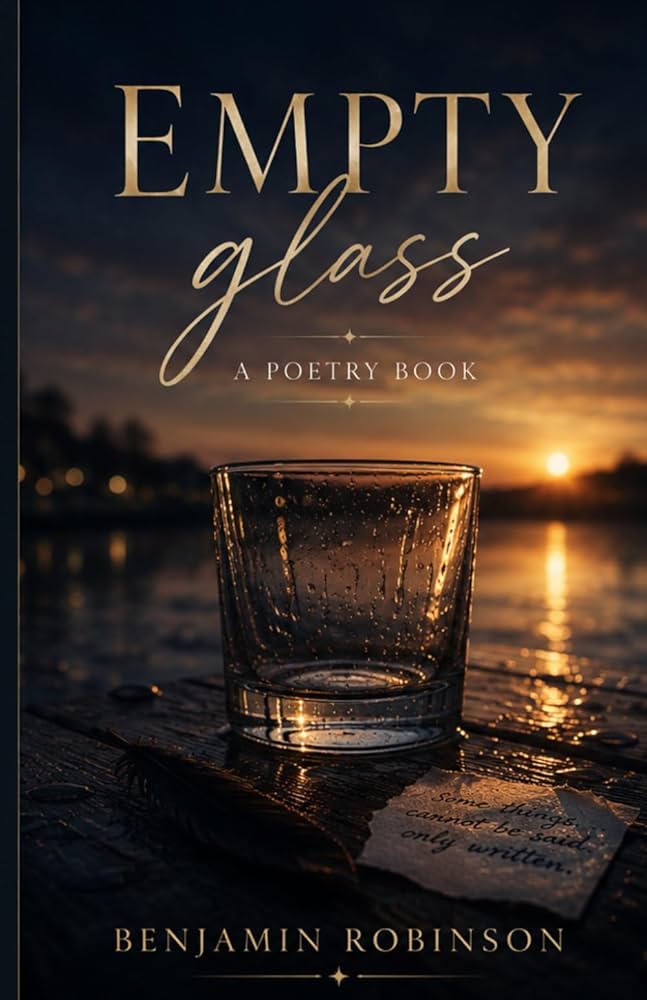
Built around absence and aftermath, this collection repeatedly returns to what is left when love, company, certainty or celebration has gone. The central imagery is simple but effective, and the plain diction makes the emotional situations immediately legible. Some metaphors recur beyond their strongest use, yet there is coherence in that obsessiveness. A lonely, reflective book whose best passages find weight in ordinary objects.
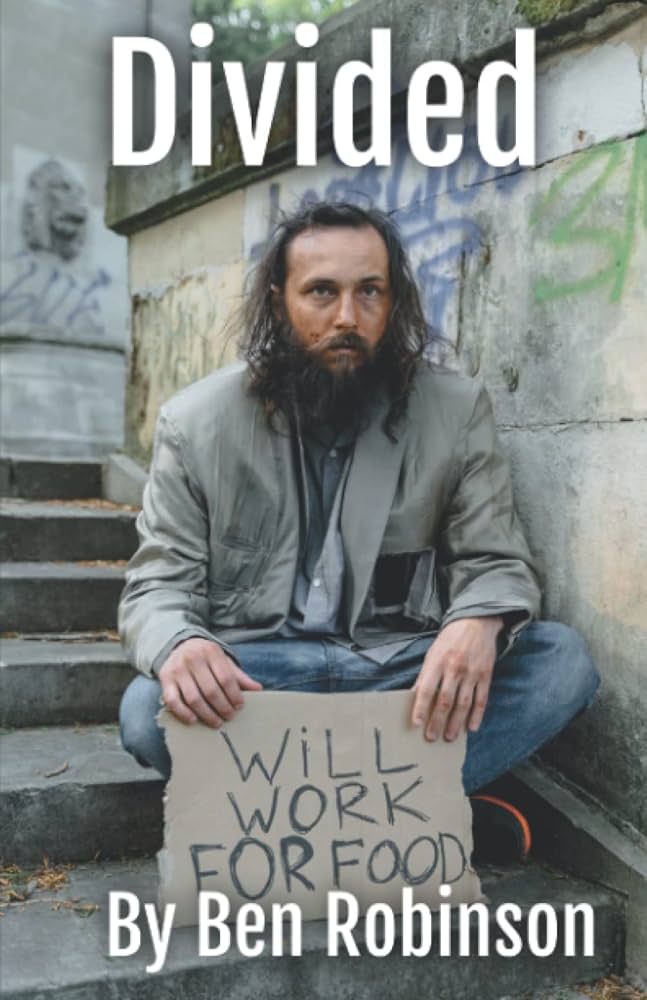
Conflict here is both public and private: people against one another, the self against itself, belonging against estrangement. The collection has a strong thematic spine and some of its most effective writing comes from refusing easy reconciliation. At times the argument becomes more declarative than poetic, but the anger is rarely empty. A tense, serious work that is strongest when it lets contradiction remain unresolved.
The title promises calm, but the book is more interesting when quietness becomes a setting for unease, memory and things left unsaid. Its intimate scale suits the reflective voice, and several pieces create atmosphere with commendable economy. Other passages drift without quite finding a destination. Even so, the collection has a gentle nocturnal pull. Subtle, melancholy and best read slowly.
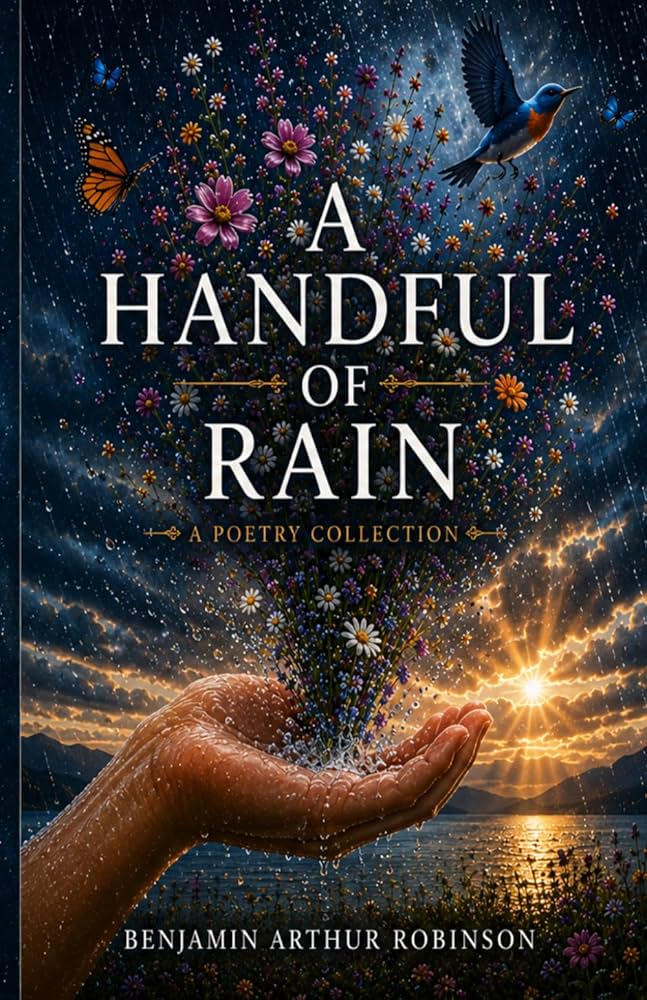
One of the most naturally lyrical titles in the group is matched by a collection rich in weather, touch and fleeting sensation. The strongest poems make emotion physical without overexplaining it, and there is real tenderness in the imagery. Occasionally the language tips into familiar romantic phrasing, but the book repeatedly recovers through sincerity and visual detail. A delicate, image-led collection with several memorable moments.